
different pour styles are used to highlight texture, aroma, and balance, turning the same beer into something completely new. Each pour brings out a different side of the beer, whether you’re after something crisp, creamy, or somewhere in between.

let’s talk about foam
You'll notice every beer we serve comes with a generous layer of foam. that's intentional!
Don't worry, though: we never charge you for it. All of our beers are served in larger glassware to ensure you're getting your full pour. Our pilsners, for example, are served in 22 oz glasses so that your 14 oz liquid gold has plenty of room.
That thick, creamy layer of foam isn't just for looks. It acts as a seal against oxygen, locking in freshness and protecting the flavour of the beer. It also softens the mouthfeel and releases aroma compounds as you drink, meaning every sip is more fragrant and flavourful than it would be without it.
THE CZECH POURS
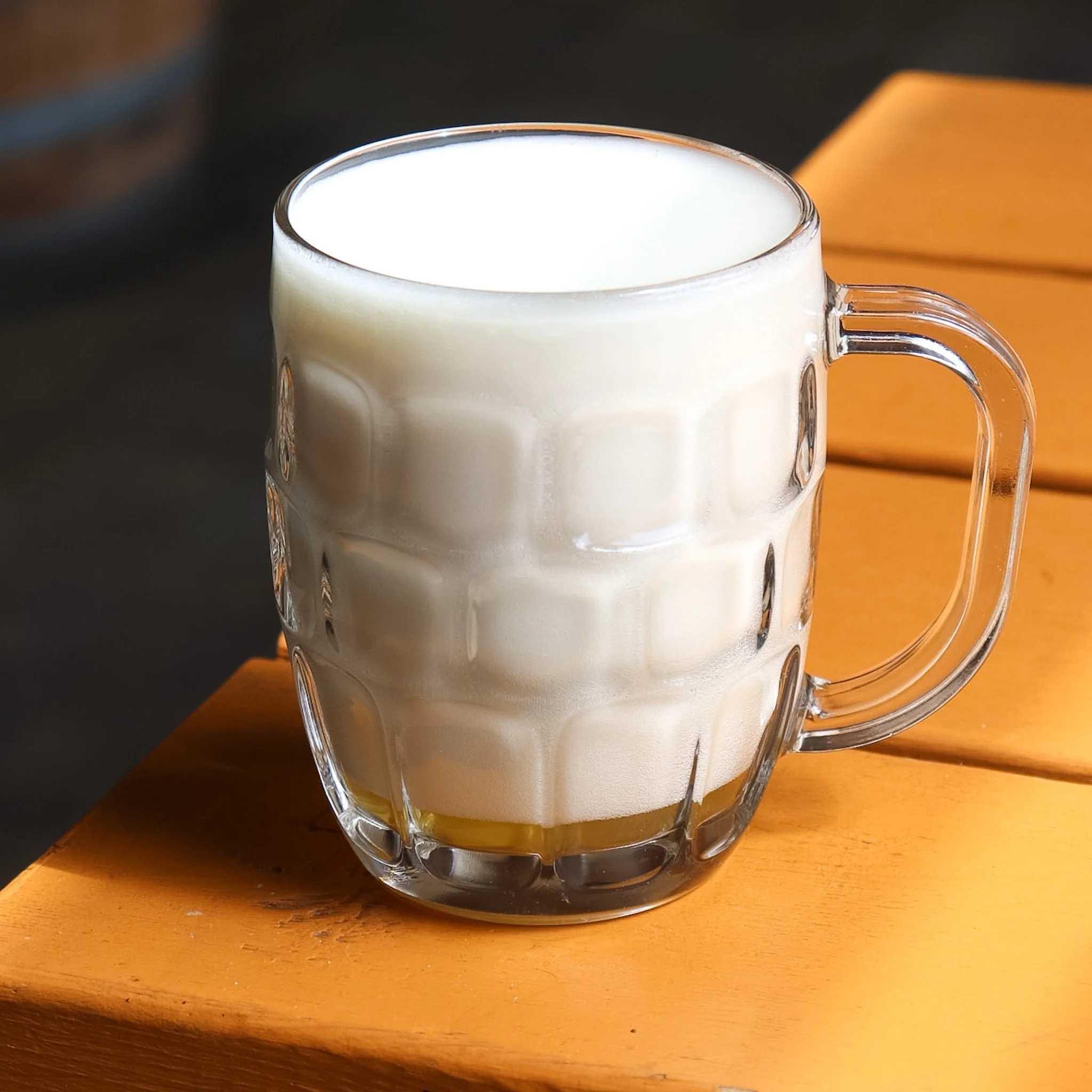
mlíko
The creamy Mlíko brings out the rich aromas of the beer to the front. It’s a glass full of wet foam with just a bit of beer at the bottom. Traditionally, it is enjoyed quickly, so you can experience the full aroma and texture before it settles. Think of it as a soft, foamy treat.
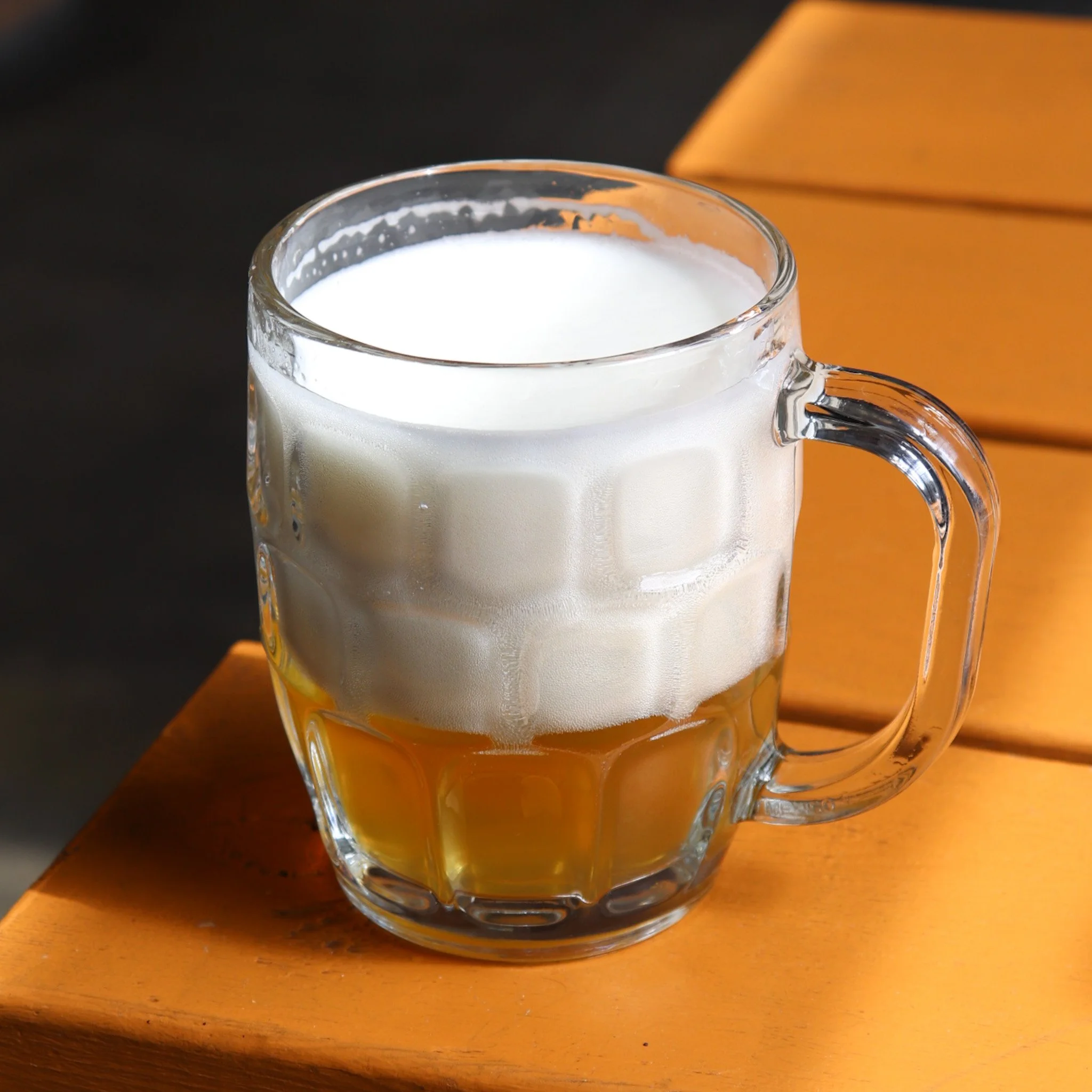
Šnyt
The brewer’s “cut” pour—pronounced “shnit”—consists of two parts beer, three parts textured foam, and a small amount of empty space at the top. It is intentionally smaller, making it less filling than a full pour. The šnyt features a rich, creamy head that helps preserve the beer, keeping it cold and fresh.
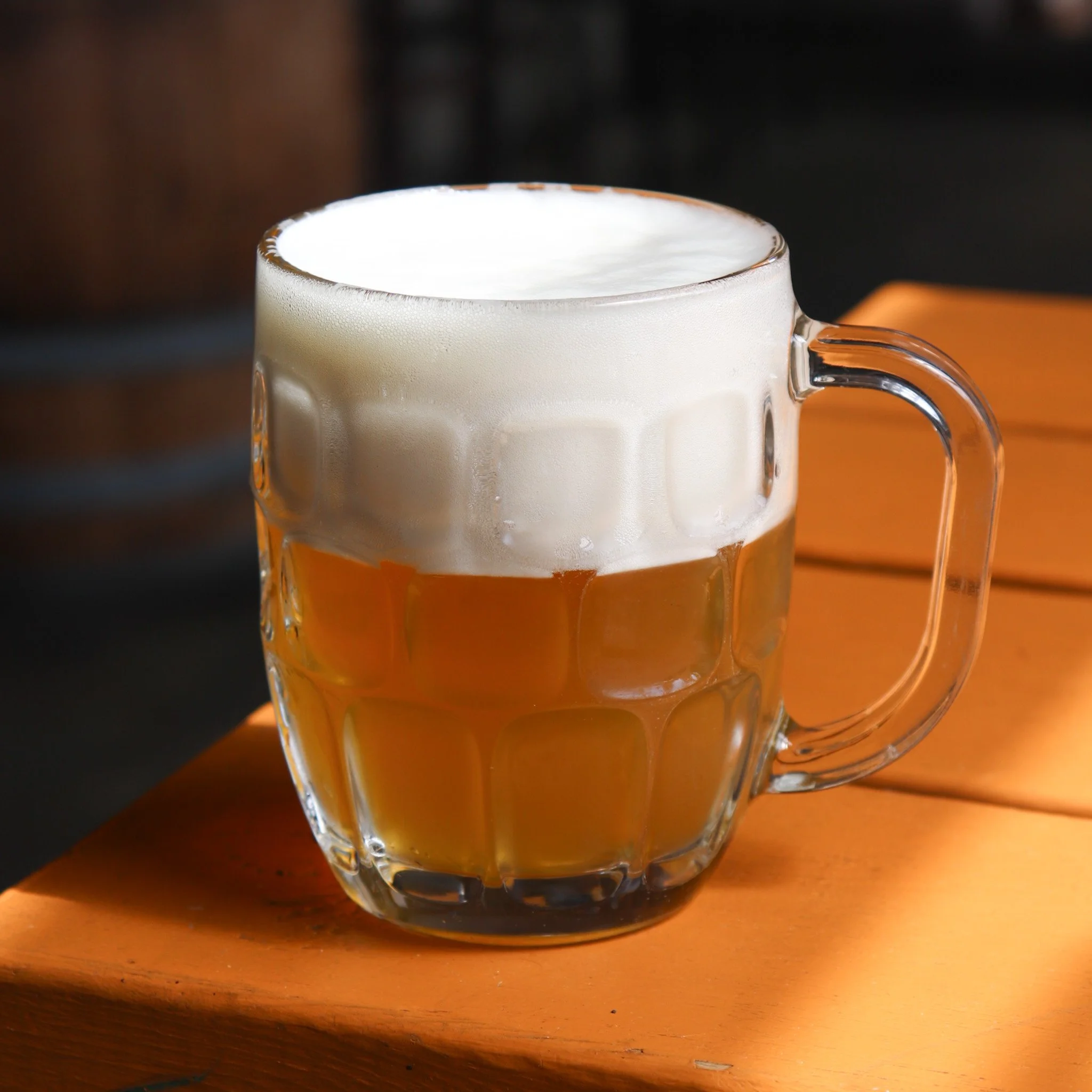
Hladinka
Hladinka is the standard ‘smooth’ Czech pour, topped with about three fingers of silky, wet foam. It offers just the right level of carbonation for a crisp, refreshing beer with a delicate, well-rounded bitterness. This method seals the beer’s aromatics beneath a smooth layer of foam, preserving flavour and freshness.
the slow pour
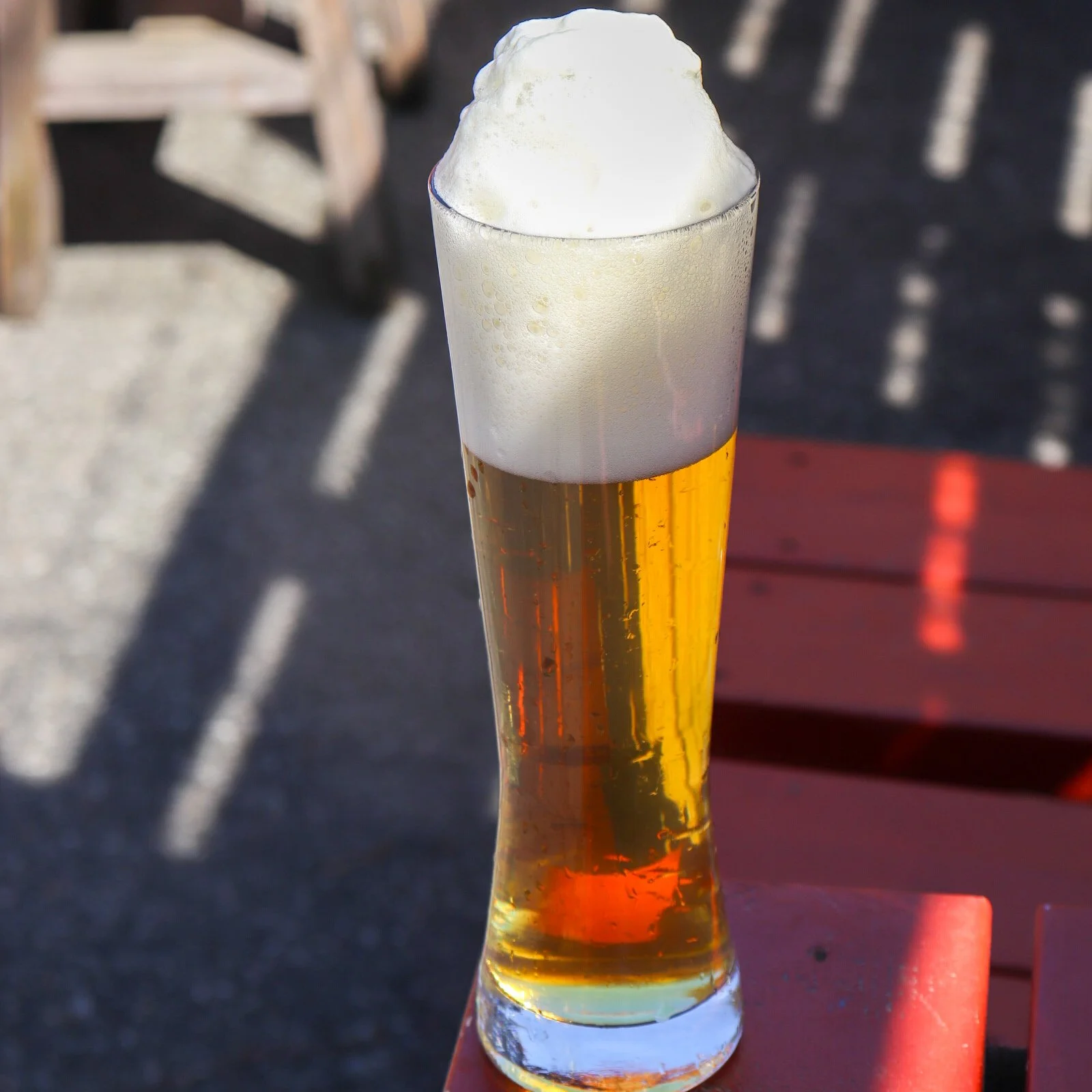
The German technique of slow pouring, or Langsam gießen, is a point of pride for breweries producing German-style beers. For us, it’s the best way to showcase the beauty of our cold-fermented and dry-hopped German lagers. This traditional method takes 5–7 minutes to perfect, and enhances flavour in several ways.
First, it gently warms the beer, so instead of being ice-cold, it is served slightly warmer—allowing for a more nuanced flavour profile. Second, pouring in stages allows the foam to rest and develop into a dense, meringue-like texture. This foam protects the beer from oxygen while you drink, and as the bubbles pop, the aroma is continuously released. This technique is intended to soften carbonation, open up delicate flavors, allow the beer to breathe and settle, and create a lasting, balanced head of foam.